

The moment a parent starts struggling with the stairs, forgetting medication, or losing confidence at home, the question stops being theoretical. Families looking for elderly care London residents can rely on are usually not browsing out of curiosity. They are trying to keep someone safe, respected, and settled in the place they know best.
That matters, because good care is not just about getting through a task list. It is about preserving routines, dignity, and peace of mind while making sure support is dependable. In a city as large and varied as London, finding the right care can feel harder than it should. The provider you choose needs to offer warmth and human understanding, but also clear standards, proper oversight, and a plan that fits real life.
Why elderly care in London needs a personal approach
No two people age in the same way. One person may need help with washing, dressing, and meals after a hospital stay. Another may be living with dementia and need reassurance, structure, and careful monitoring. Someone else may still be largely independent but need support with shopping, housekeeping, and attending appointments.
That is why elderly care in London should never begin with a one-size-fits-all package. The best support starts by understanding the person behind the care needs. Their routines, preferences, medical history, mobility, home environment, and personality all shape what safe care actually looks like.
For families, this is often where reassurance begins. A proper assessment does more than gather facts. It shows that the provider is taking responsibility for getting things right from the start, rather than simply sending whoever is available.
Home care versus moving into residential care
Many families begin by asking whether home care is enough, or whether a move into residential care is the safer option. There is no single answer. It depends on the person’s health, the level of support required, the suitability of the home, and how quickly needs are changing.
For many older adults, care at home is the preferred route because it protects independence and familiarity. Remaining in one’s own surroundings can reduce distress, especially for people living with memory loss or reduced mobility. Familiar furniture, neighbours, routines, and belongings are not small comforts. They often make day-to-day life feel steadier and more manageable.
Residential care may be the better fit where needs are highly intensive, the home is no longer safe even with adaptations, or there is significant risk that cannot be managed through visits or live-in support. The key is not to treat either option as a moral choice. Good care is about the right setting, at the right time, with the right level of support.
What good elderly care London providers should offer
When comparing providers, families often focus first on availability and cost. Those things matter, but they should not be the only tests. Reliable care has to be safe, regulated, and properly planned.
A good provider should be able to explain how care starts, how needs are assessed, who writes the care plan, and how carers are matched. If those answers are vague, that is worth noticing. Older people deserve more than a rushed referral and a rotating list of unfamiliar faces.
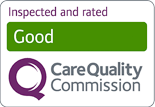
Regulation is also important. A CQC-regulated provider is accountable to formal standards around safety, effectiveness, responsiveness, and leadership. That does not mean every regulated service feels equally personal, but it does mean there is a framework of oversight behind the care being delivered.
Training is another practical sign of quality. Older adults may be living with frailty, dementia, Parkinson’s, reduced mobility, continence needs, or end-of-life conditions. Carers need compassion, certainly, but they also need the confidence and knowledge to respond appropriately.
The value of a proper care assessment
A thoughtful care assessment can make the difference between support that merely exists and support that genuinely helps. It should look at more than physical tasks. Medication, falls risk, nutrition, communication needs, home layout, mental wellbeing, and family involvement all need consideration.
This stage also allows space for preferences that families often worry will be overlooked. Does your loved one like a slower morning routine? Do they prefer a carer who speaks clearly and calmly? Are they private, sociable, anxious, or fiercely independent? These details affect whether care feels intrusive or supportive.
At Epicare, this assessor-led approach is a central part of making care simpler and safer. It helps turn a stressful first enquiry into a clear plan, with support shaped around the individual rather than forced into a standard template.
Different types of care at home
Elderly care can cover a wide range of needs, and families are often relieved to discover that support can begin modestly and increase over time.
Domiciliary care is usually arranged as visiting care, with help at set times of day for personal care, meals, medication, mobility, and routines around the home. This can be enough for someone who needs regular assistance but still wants to remain largely independent.
Respite care offers short-term support, often when a family carer needs rest, is travelling, or has their own health needs to manage. This kind of cover can prevent burnout and make longer-term caring arrangements more sustainable.
Live-in care provides a more continuous presence, which may suit people with complex needs, overnight concerns, or high levels of anxiety about being alone. It is a significant step, but for some families it offers the balance of safety and home comfort they have been looking for.
Palliative care at home can also be arranged when comfort, dignity, and symptom support become the priority. For many families, being able to keep a loved one at home during this time is deeply important, but it needs experienced planning and calm, capable carers.
Questions families should ask before choosing care
It is reasonable to ask direct questions. In fact, a trustworthy provider should welcome them.
Ask how carers are recruited, trained, and supervised. Ask whether the service is regulated, how concerns are handled, and what happens if the usual carer is unavailable. Ask how care plans are reviewed as needs change. If your relative has a specific condition, ask what experience the team has in supporting it.
It is also worth asking how matching works. Personality fit is not a luxury. Older people are more likely to accept and engage with support when they feel comfortable with the person providing it. That can affect everything from eating well to taking medication to feeling less isolated.
If you are arranging care in East London, Tower Hamlets, Newham, Redbridge, Waltham Forest or nearby areas, local knowledge can help too. Travel times, continuity of staff, and familiarity with the community can all make care more reliable.
The emotional side of arranging elderly care
Families often carry more guilt than they admit. Some worry they should be doing more themselves. Others fear that bringing in outside help means letting a loved one down. In reality, asking for support is often the most responsible and caring decision available.
Good home care should strengthen a person’s independence, not take it away. It can ease strain in the family, reduce risk, and allow relatives to spend time together more meaningfully rather than only managing tasks and crises.
There may still be a period of adjustment. Some older people resist care at first, particularly if they associate it with loss of control. This is where patience, respectful communication, and the right carer match make a real difference. The goal is not to take over. It is to support life at home in a way that feels safe, steady, and humane.
When to act sooner rather than later
Many families wait for a major incident before arranging care. A fall, missed medication, wandering episode, or emergency admission often becomes the trigger. Sometimes that urgency cannot be avoided, but where possible, earlier planning gives everyone more control.
Starting with a small amount of support can make later transitions easier. It allows trust to build, routines to settle, and risks to be managed before they escalate. It also gives the older person more chance to be involved in decisions about their own care, which should always be the aim.
If you are noticing signs that daily life is becoming harder, you do not need to have every answer before making an enquiry. A good provider should help you understand the options clearly, without pressure or confusion.
Choosing elderly care in London is not only about finding help. It is about finding people you can trust to protect someone’s comfort, dignity, and safety in the place they call home. When care is properly assessed, thoughtfully matched, and delivered with kindness as well as accountability, families can breathe a little easier – and that peace of mind matters more than most people realise.


Leave a Reply
Want to join the discussion?Feel free to contribute!